
Politics
Yemeni Army Chief of Staff: We will win the battle soon... Al-Iryani: The Houthis are war criminals
The Chief of the General Staff of the Yemeni Armed Forces and Commander of the Joint Forces, Lieutenant General Sagheer bin Aziz, vowed to decisively win the battle


The Chief of Staff of the Yemeni Armed Forces and Commander of the Joint Forces, Lieutenant General Sagheer bin Aziz, vowed to resolve the battle with the Houthis soon with the support of the Coalition to Support Legitimacy, explaining that there is a serious intention to resolve the battle with the Houthi coup militia and that the Yemeni people will soon hear about good results and great victories.
At a joint press conference with Yemeni Minister of Information, Culture and Tourism Muammar Al-Iryani in Marib today (Monday), Sagheer Aziz praised the role of the Saudi-led coalition in working to restore stability to Yemen, commending Saudi and Emirati support.
The Chief of Staff accused Iran of supporting the Houthi militia, stressing that the Houthi militia understands only the language of weapons and will not submit to peace except by force. He explained that the national army was built on national and legal foundations and is responsible for protecting the Yemeni people and defending them, including the Houthis, if they submit to peace and give up weapons.
He added: “We in the National Army are defending our authentic Yemeni identity, the Arab identity, and humanity as a whole. The war is not against the Houthis as Yemenis, but against the Persians. It is a Persian-Arab war, as Iran has put all its weight into this war.” He pointed out that the terrorist Houthi militia is fighting everything beautiful in Yemen and practicing terrorism that is unsurpassed. They have booby-trapped the land and sea with millions of mines and the air with booby-trapped drones. They have booby-trapped the minds of young people, and there is a coming generation booby-trapped that knows nothing but the culture of death, killing, and destruction.
The Yemeni Minister of Information addressed the dangers of the Houthi militia and its role in thwarting peace efforts, most recently the Saudi initiative, which was met with escalation by the militia, indicating that the Houthis are no different from the terrorist organizations Al-Qaeda and ISIS.
Al-Eryani said: “Since their coup, the Houthi militia has carried out the most extensive landmine planting operations since World War II, resulting in the deaths and injuries of more than 7,000 civilians, the majority of whom are women and children. This constitutes one of the most serious crimes against humanity and war crimes committed against the present and future of Yemenis.” He added: “The excessive use of landmines and improvised explosive devices, and their indiscriminate planting among citizens’ homes, schools, mosques, markets, grazing and agricultural areas, water sources, and roads, poses a persistent threat to the lives of millions of civilians, paralyzes public life, disrupts people’s interests, and exacerbates their humanitarian suffering.” The Yemeni Minister of Information accused the Houthi militia of turning Sana’a Airport and Hodeidah ports into factories for assembling ballistic missiles and drones, preparing remotely piloted explosive boats, and planning and executing terrorist activities that threaten the security and safety of international shipping lanes in the Red Sea and Bab al-Mandab. Al-Iryani condemned the Houthi militia's threats to the lives of four journalists who have been forcibly disappeared in its prisons since June 2015. During their detention, they have been subjected to various forms of psychological and physical torture, denied visits, medical care, and other basic rights, and sentenced to death on fabricated charges, in flagrant violation of international law. He called on the international community to pressure the Houthi terrorist militia to immediately and unconditionally release the journalists, who are facing imminent death. He also noted that the militia continues to obstruct all agreements and efforts aimed at containing the disaster, including the agreement to allow a UN team to assess the technical condition and maintain the tanker. He added that the militia persists in using the tanker as a ticking time bomb and a tool for pressuring and blackmailing the international community, without any regard for the consequences for Yemen, the region, and the world. Information Minister Muammar al-Iryani stated that the Iranian regime and the Houthi militia have intensified their arms smuggling operations, escalated their recruitment of child soldiers, and used civilians and civilian infrastructure as human shields by placing weapons depots, explosive-laden drones, and mine workshops near humanitarian facilities, hospitals, schools, hotels, and the headquarters of UN and NGO organizations. He also addressed the Houthi militia's attack on the US Embassy, looting its contents, raiding the homes of its staff, and their continued enforced disappearance and deprivation of basic rights. He noted that this act exposed the true nature of this rogue group and its blatant disregard for the Vienna Convention and international humanitarian laws, conventions, and norms. He clarified that this crime does not represent the Yemeni people, who hold their brothers and friends in high regard, and that it was perpetrated by a rogue terrorist group originating from the caves of Saada, which seized control of the capital by force of arms. This group, he asserted, lacks any understanding of the fundamentals of political action, state administration, or diplomatic protocols, and follows the Iranian model, no different from other terrorist organizations. The Iranian Minister of Information called on international organizations to act with impartiality and not to overlook the Houthi crimes, which amount to war crimes, particularly those targeting displacement camps in Marib, and the daily crimes in Taiz, including sniper fire and shelling that have killed hundreds of children, women, and the elderly, as well as the siege imposed on the city. The Yemeni Minister of Information, Culture, and Tourism reiterated his government's demands to the international community and the Security Council to designate the Houthi militia and its leaders as terrorists and to pursue and prosecute them in international courts as war criminals.


Politics
The leadership offers condolences to the King of Jordan on the death of Ahmed Obeidat | Details of the telegram
The Custodian of the Two Holy Mosques and the Crown Prince sent two telegrams of condolence to the King of Jordan on the death of former Prime Minister Ahmed Obeidat, stressing the depth of fraternal relations and expressing their condolences to the Jordanian people.
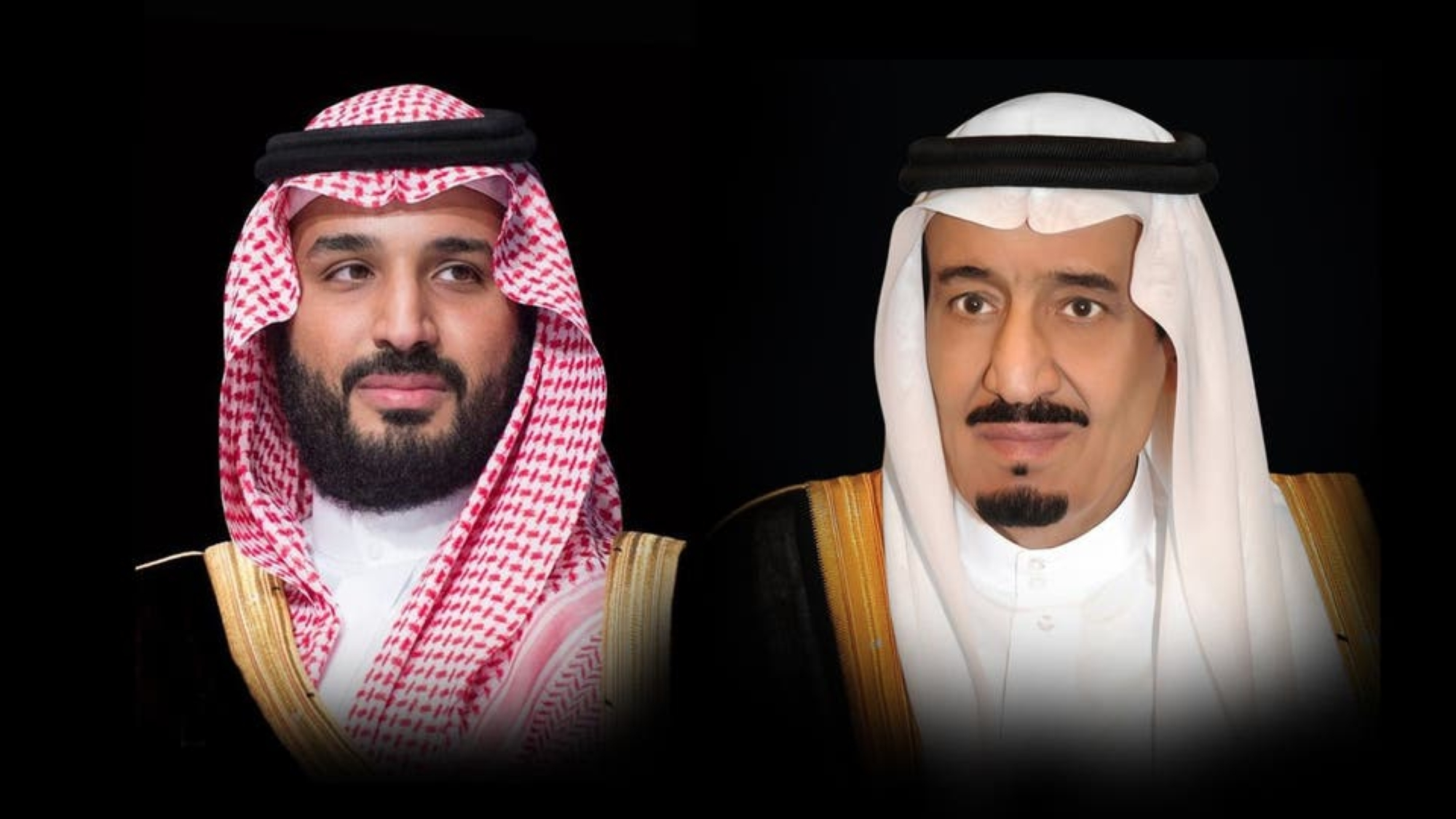
The Custodian of the Two Holy Mosques, King Salman bin Abdulaziz Al Saud, and His Royal Highness Prince Mohammed bin Salman bin Abdulaziz Al Saud, Crown Prince and Prime Minister, sent two cables of condolence and sympathy to His Majesty King Abdullah II bin Al-Hussein, King of the Hashemite Kingdom of Jordan, on the death of the former Jordanian Prime Minister, Ahmed Obeidat, who passed away after a career full of giving in service to his country.
Details of the royal telegram
In their telegrams, the Custodian of the Two Holy Mosques and His Royal Highness the Crown Prince expressed their deepest condolences and sincere sympathy to His Majesty the King of Jordan, the family of the deceased, and the brotherly Jordanian people. The wise leadership prayed to God Almighty to bestow His mercy and forgiveness upon the deceased, grant him a place in Paradise, and grant his family patience and solace. They also prayed that God protect the Hashemite Kingdom of Jordan, its leadership, and its people from all harm and evil, affirming the Kingdom of Saudi Arabia's unwavering support for Jordan in all circumstances.
Ahmed Obeidat: A remarkable political and security career
The late Ahmed Obeidat, who passed away last Tuesday, was one of Jordan's most prominent statesmen of recent decades. He held sensitive and pivotal positions in the history of the Kingdom, serving as Prime Minister in the 1980s, and prior to that as Director of the General Intelligence Directorate and Minister of the Interior. Obeidat was known for his political and security acumen, and played a key role in drafting the Jordanian National Charter. He was also an active member of the Senate for several terms, making him a widely respected figure in political and social circles.
Funeral and mourning ceremonies
The funeral procession for the deceased took place in his hometown of Haritha, in the Irbid Governorate of northern Jordan, amidst a large official and public attendance reflecting the high esteem in which he was held. Mourners flocked from across Jordan to offer their condolences, recalling the deceased's virtues and patriotic stances.
The depth of Saudi-Jordanian relations
The condolences offered by the Saudi leadership reaffirm the deep-rooted fraternal and historical ties that bind the Kingdom of Saudi Arabia and the Hashemite Kingdom of Jordan. Relations between the two brotherly nations are characterized by continuous coordination and ongoing consultation on all issues, in addition to the strong social and familial bonds that unite their peoples, making their grief a shared sorrow in such tragic events.
Politics
German Chancellor Friedrich Merz departs Riyadh after an official visit
German Chancellor Friedrich Merz departs Riyadh after an official visit to the Kingdom. He was seen off by the Deputy Governor of Riyadh and the Minister of Finance, in a move to strengthen Saudi-German relations.
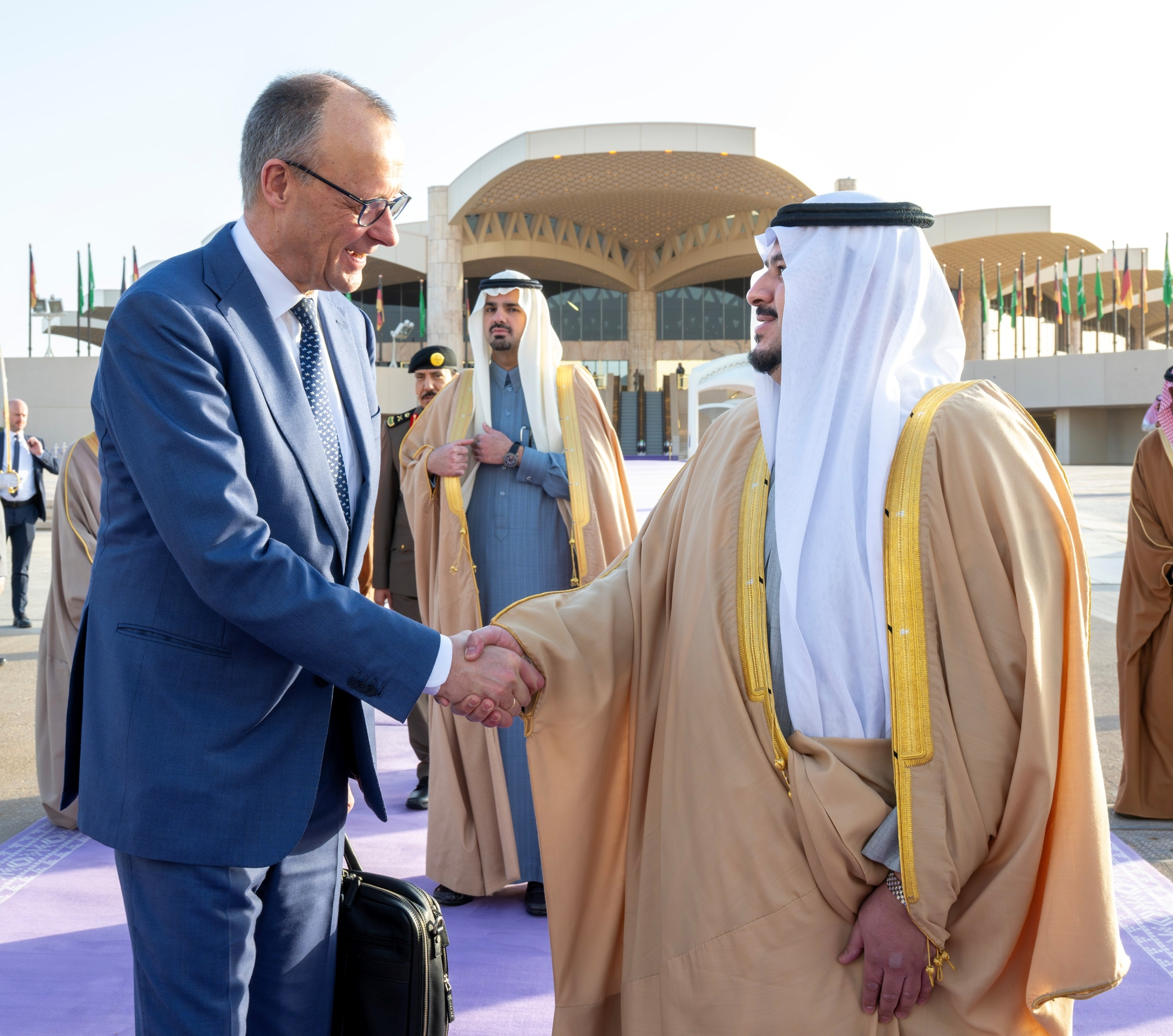
The Federal Chancellor of the Federal Republic of Germany, Friedrich Merz, and his accompanying high-level delegation left the Saudi capital, Riyadh, today (Thursday), after concluding an official visit to the Kingdom of Saudi Arabia, during which he held important talks aimed at strengthening the bonds of joint cooperation between the two friendly countries.
Official farewell ceremony at King Khalid International Airport
A formal farewell ceremony was held for the German Chancellor at King Khalid International Airport in Riyadh. Among those bidding him farewell were His Royal Highness Prince Mohammed bin Abdulrahman bin Abdulaziz, Deputy Governor of Riyadh Region, and His Highness Prince Faisal bin Abdulaziz bin Ayyaf, Mayor of Riyadh. Also present were the Minister of Finance, Mr. Mohammed bin Abdullah Al-Jadaan (the accompanying minister), the Ambassador of the Custodian of the Two Holy Mosques to Germany, Mr. Fahd Al-Hathal, the Ambassador of the Federal Republic of Germany to the Kingdom, Mr. Michael Kindsgrapp, the Acting Director of Riyadh Region Police, Major General Mansour bin Nasser Al-Otaibi, and the Deputy Chief of Royal Protocol, Mr. Fahd Al-Sahil.
Dimensions of the visit and the depth of Saudi-German relations
Chancellor Friedrich Merz's visit to Riyadh comes at a crucial time, reflecting the depth of the historical and strategic relations between the Kingdom of Saudi Arabia and the Federal Republic of Germany. These relations, spanning decades, have been characterized by mutual respect and constructive cooperation across various fields. Such reciprocal visits between the two countries' leaders are a cornerstone for coordinating positions on global and regional issues, particularly in light of the geopolitical challenges facing the world, thus underscoring the role of Riyadh and Berlin as influential capitals in international decision-making.
Economic partnership and the prospects of Vision 2030
This visit holds significant economic importance, as Germany is a major trading partner for the Kingdom and one of the leading economies in the European Union. In light of the Kingdom's Vision 2030, both sides seek to deepen cooperation in vital sectors such as renewable energy, green hydrogen, technology, and industry. The presence of Finance Minister Mohammed Al-Jadaan as the accompanying minister reflects the economic weight of the discussions, as German companies look to contribute more to the Kingdom's mega-projects, thus enhancing opportunities for mutual investment and supporting economic diversification plans.
Coordinating efforts to promote regional stability
Politically, Saudi Arabia is a cornerstone of security and stability in the Middle East. Germany highly values the Saudi role in addressing regional crises, combating terrorism, and ensuring the security of global energy supplies. Therefore, the German Chancellor's visit is part of ongoing efforts to align perspectives on pressing regional issues and to work together to support peace and sustainable development, reflecting both countries' commitment to their international responsibilities as active members of the G20.
Politics
Faisal bin Farhan and Araqchi discuss regional security and developments
The Saudi Foreign Minister received a call from his Iranian counterpart to discuss regional developments and to emphasize diplomatic solutions to enhance regional stability and resolve disputes through dialogue.

His Highness Prince Faisal bin Farhan bin Abdullah, the Saudi Minister of Foreign Affairs, received a telephone call from His Excellency Abbas Araqchi, the Minister of Foreign Affairs of the Islamic Republic of Iran. These discussions are part of the ongoing communication between the two sides to address issues of mutual interest and strengthen bilateral relations in a way that serves the interests of both countries and their neighboring peoples.
During the call, the two sides discussed a range of regional and international developments currently unfolding in the Middle East. They unequivocally emphasized the need to resolve existing disputes through constructive dialogue and diplomatic means, prioritizing reason and wisdom to prevent further escalation of tensions in the region. The ministers also discussed efforts to maintain regional security and stability, and to ensure the safety of navigation and international waterways, reflecting a shared understanding of the sensitivity of the current situation.
This contact is particularly significant given the recent historical context of relations between Riyadh and Tehran, especially following the agreement reached in Beijing in March 2013, which stipulated the resumption of diplomatic relations and the reopening of embassies. This ongoing communication between the two foreign ministers demonstrates the commitment of both parties to moving forward with the implementation of the agreement's provisions and strengthening confidence-building measures that contribute to a more stable and prosperous regional environment.
Regionally, these talks come at a time when the region is facing complex geopolitical challenges that require close coordination among influential regional powers. Saudi Arabia and Iran, as pivotal states in the Islamic world and the region, bear a significant responsibility in working to contain crises and prevent the escalation of conflicts. Observers note that maintaining open channels of communication between Riyadh and Tehran is a crucial safeguard for de-escalating tensions in several of the region's hotspots.
In conclusion, the contact reflects the Kingdom of Saudi Arabia’s constant commitment to its diplomatic approach based on building bridges of cooperation and supporting all efforts aimed at establishing the foundations of international security and peace, in order to achieve the developmental aspirations of the peoples of the region, away from the language of confrontation and conflicts.
-

 Local news one week ago
Ramadan 2026 discounts in Saudi Arabia: Offers valid for 54 days
-
Culture and Art, 1 week ago
The death of artist Huda Shaarawi “Umm Zaki” and her funeral in Damascus
-
Technology 7 days ago
ICAN 2026 Conference Conclusion: Initiatives to Enhance Saudi Arabia's Leadership in Artificial Intelligence
-
Local news one day ago
Launch of the city's shuttle bus service in Ramadan 1447 AH: Routes and stations
-
Culture and Art, 1 week ago
The truth about Fayez Al-Maliki's illness: biopsy results and details of his health condition
-
Culture and Art, 1 week ago
Huda Shaarawi: Farewell to “Umm Zaki,” the icon of Syrian drama
-
Culture and Art, 1 week ago
The murder of Huda Shaarawi, "Umm Zaki": Details of the crime and its impact
-
Local News 3 days ago
Rabigh inaugurates the world's largest water innovation oasis and enters the Guinness World Records


